
Our Approach
Hopnet prices on the outcome an engagement delivers stockouts prevented, dumps and shorts eliminated, dock time recovered and not on the number of engineers, hours, or licenses involved. We call our engineers "forward-deployed" because they sit inside your operations, not in a ticketing queue billing by the hour. This page explains what that means and why it changes what you should expect to pay for.
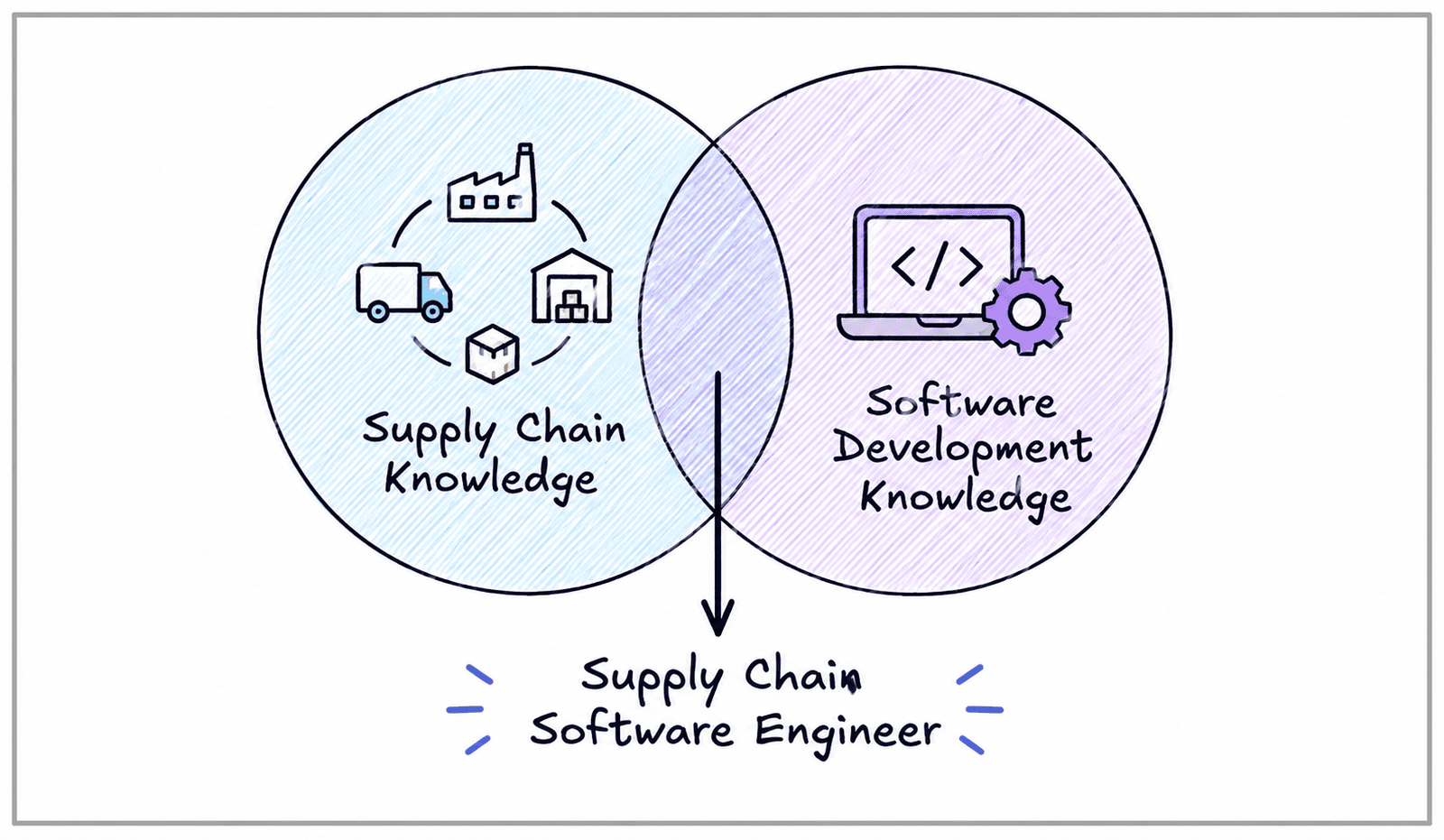
What a Forward-Deployed Model Actually Means
The term "forward-deployed engineer" has become associated with a specific way of building enterprise software: instead of engineers building features in isolation and hoping customers adopt them, engineers embed directly inside the customer's operations working with real data, real warehouse floors, real delivery runs and only generalize a fix into reusable product once the same problem shows up across multiple engagements.
That's the model Hopnet runs on. Our engineers don't hand you a dashboard and a training deck. They sit with your warehouse, OMS, GPS, and POD data, reconcile what's actually happening on the ground, and build working systems around your real operational mess fragmented ERPs, WhatsApp-coordinated fleets, spreadsheet approvals included.
How This Plays Out Inside Dairy, Frozen Food, and Wholesale Distribution
Resource-Based Billing vs. Hopnet's Value-Based Model
| Resource-Based Billing | Hopnet's Value-Based Model | |
| What you pay for | Hours, headcount, licenses | Outcomes delivered: stockouts avoided, dumps/shorts eliminated, SLA breaches surfaced |
| Cost as team scales | Rises with every added engineer | Stays tied to the problem, not the headcount solving it |
| Incentive alignment | Vendor is paid more the longer the problem takes | Vendor is paid for the problem being solved |
| Upfront commitment | Large, scoped before your data is understood | Free diagnostic first; commercial terms follow |
| What improves over time | Nothing structural, next project starts from zero | The platform, every engagement makes the next one faster |